
Yes, I did buy a national Norwegian Fishing Licence, fly to the north of Norway, and I was lucky enough to be lent a cabin by my friend and Frontiers guide Geir, the Mountain Man. But nobody can buy the serenity, sincerity and peace of a Norwegian early summer.
I live in a world where everything good seems to cost a fortune and I am often the deliverer of that bad news. What drives the prices in my world is simply the cost of delivering an experience in a remote part of the world and its scarcity and I understand that. Equally, there are times when I am not comfortable with the fact that, particularly salmon fishing, is getting so expensive and elite, how does anyone not blessed with wealth get involved in what is undoubtedly one of the greatest disciplines in fly fishing? But then I look at some rivers which do have cheap or even public access, and the pressure is relentless to the point of questioning if such intense pursuit of what is now an endangered species is right. Combine this with the fact that many of those coming to fish arrive in camper vans bursting with everything they need in order to avoid spending a dime in the local area. These challenges exist in the bird world too. Some people hate ownership, privacy and lack of access (all of these often the key to minimal disturbance, something birds need to breed and fledge chicks successfully) but when people do get access, they have a habit of making a hash of it.
I also live in a world where screens provide the majority of outdoor/wildlife experiences for many kids. This not only shapes their opinions in a Disney-like unrealistic fashion, but it totally removes any basic, practical connection between the reality of nature and themselves and indeed what they eat. My connection is poor compared to many and certainly was not great when I was young and I lived in the outdoors but compared to kids today, one can only imagine how distant the connection must be. Attenborough famously stated that if children do not experience it and do not have an affection for it, how can they be expected to wish to protect it. Valid point but ironically, his films often provide an unrealistic view. But let’s get back to heaven.
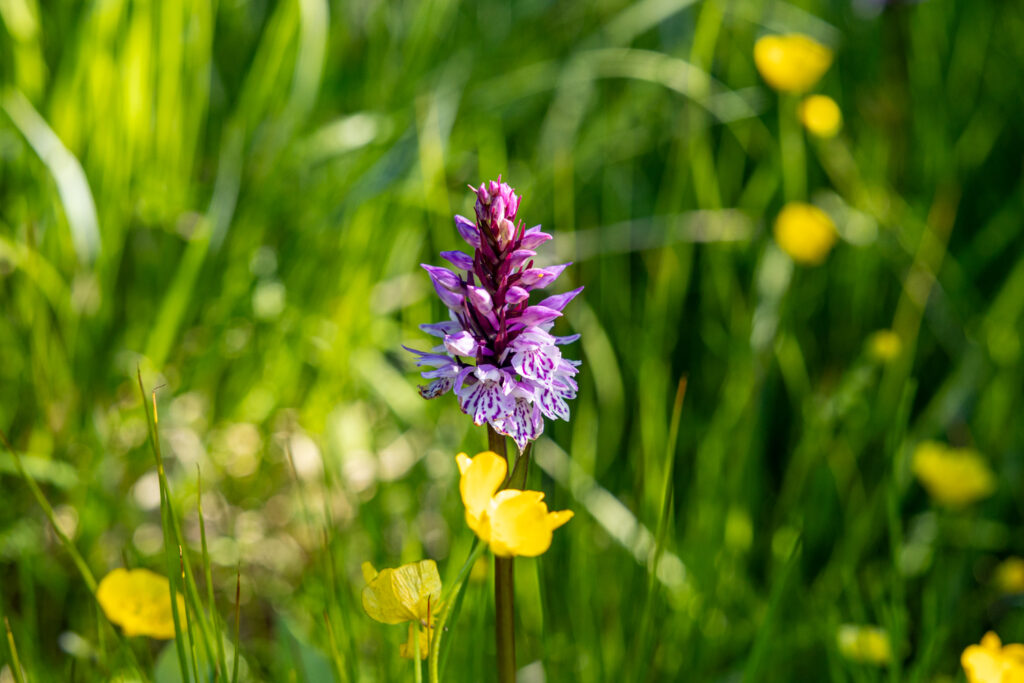
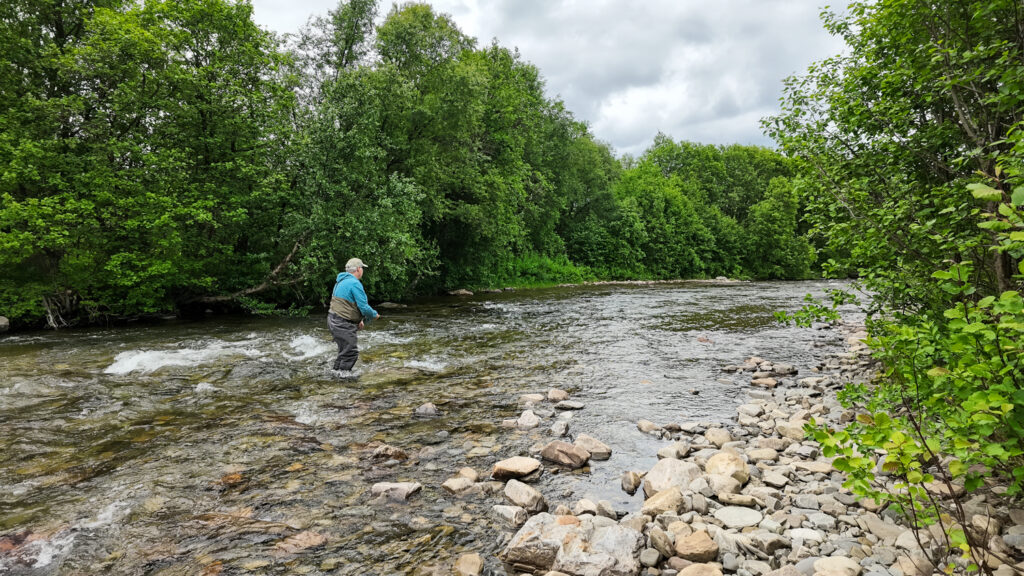
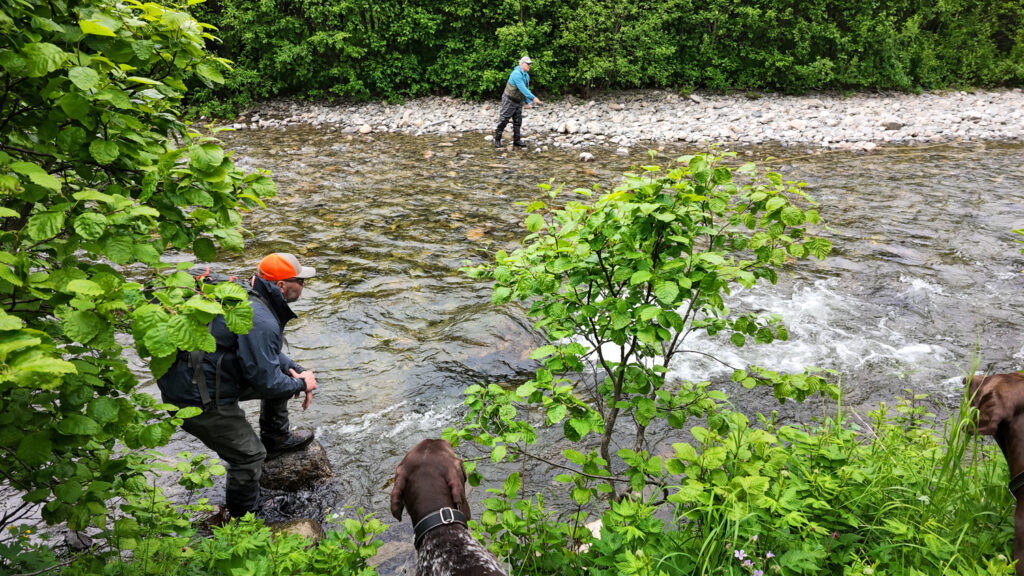
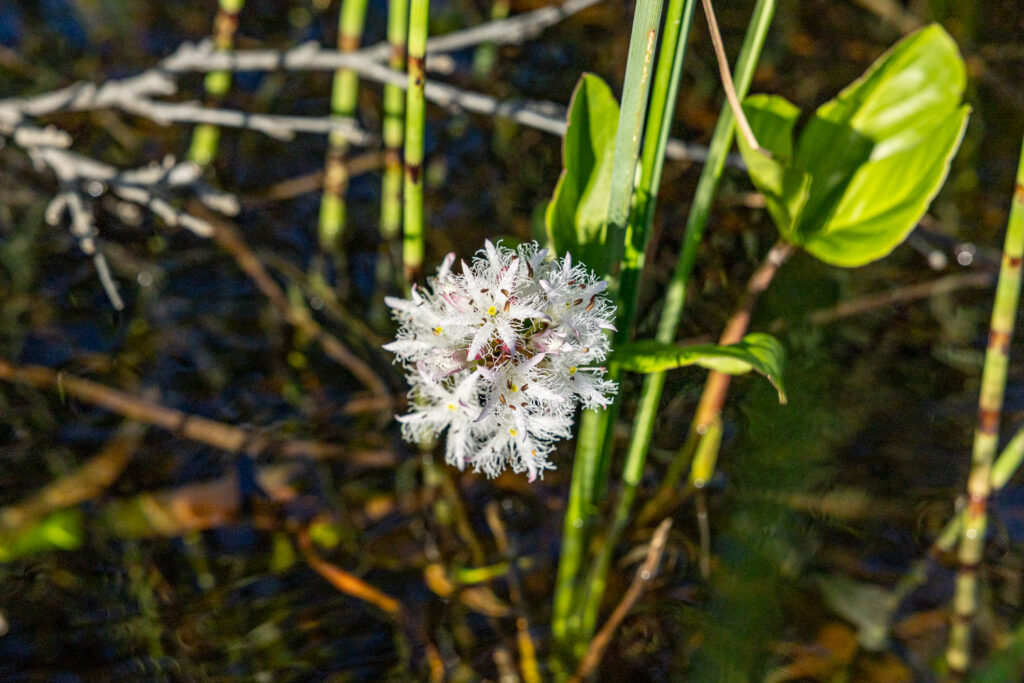
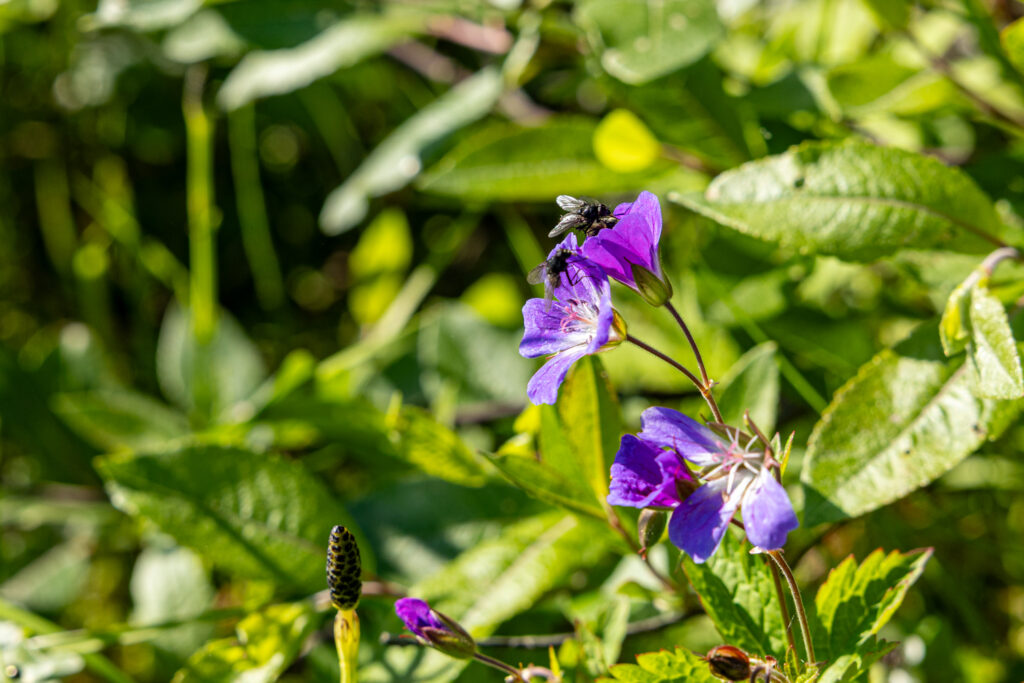
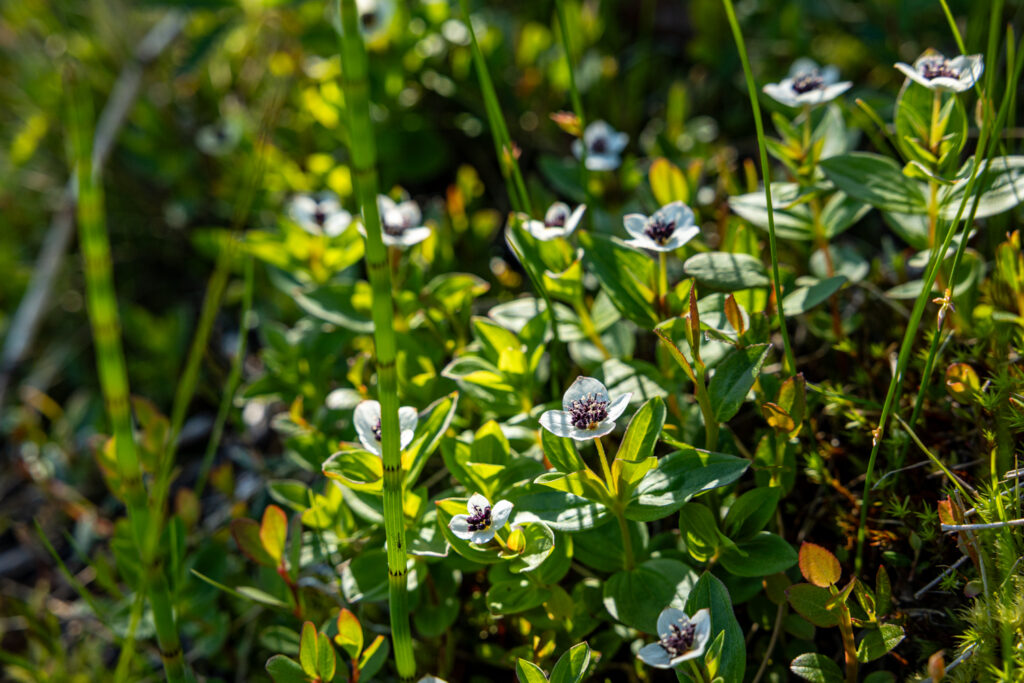
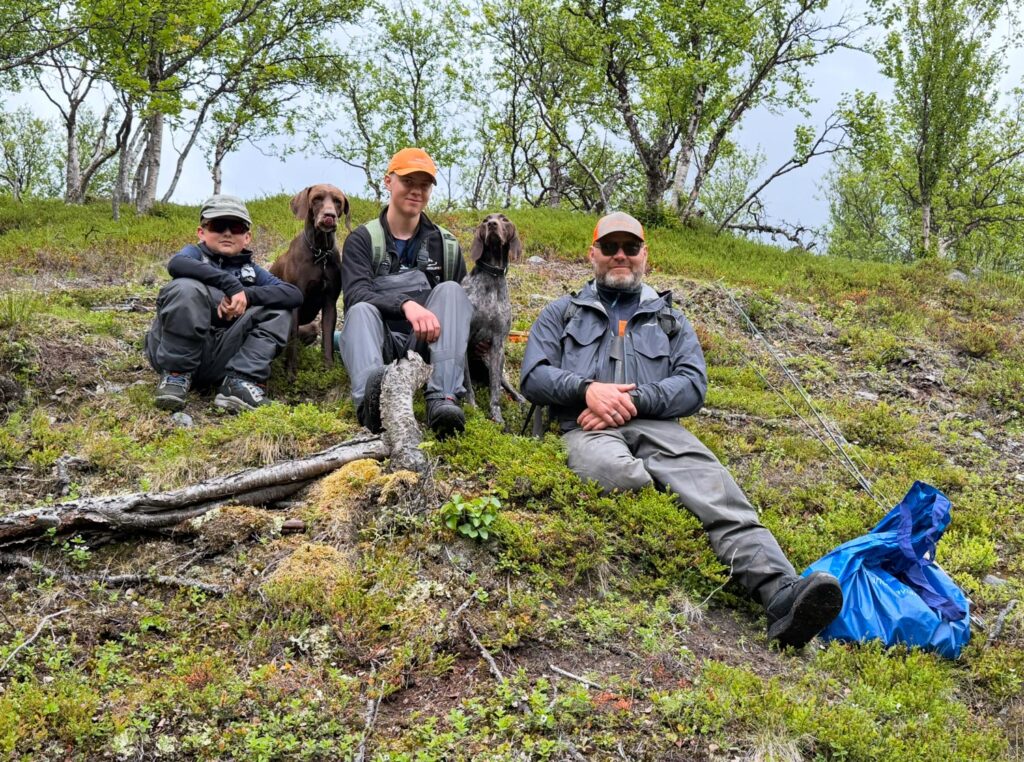
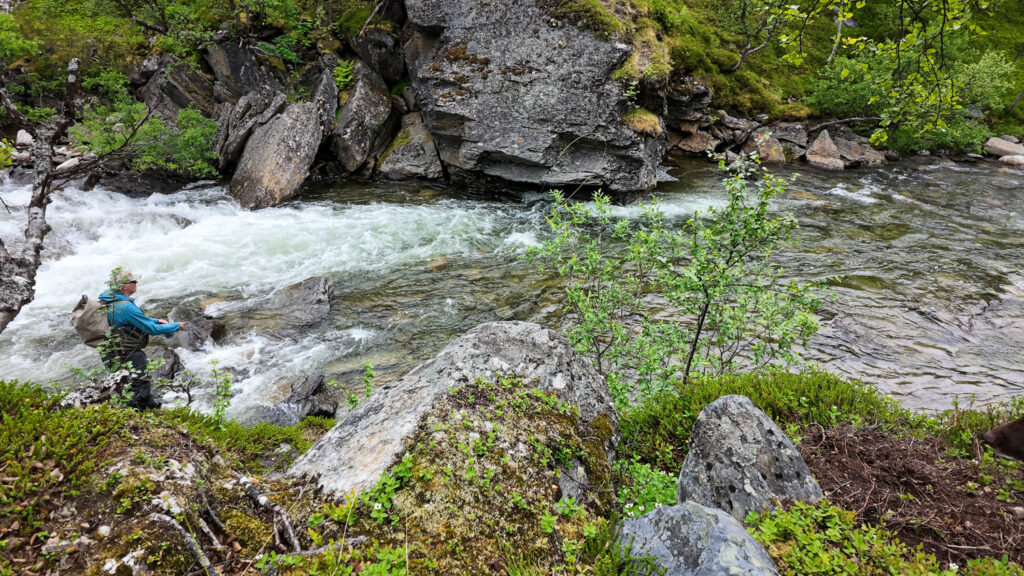
Geir wanted to take me to ‘the river of his birth’ as he called it. It was early season for this little river easily fished with a single-handed rod but what a stunning river. It has a run of about 1000 fish up to 20lbs and I can only imagine the battles one might have when hooking a fish. We did see some salmon but in the shallows running rather than holding or stopping water. There were two unexpected highlights to my day. The first was the carpet of wildflowers and herbs we walked through as we travelled up and then down the river. We were not walking well-worn paths, so it was necessary to look down to see where one was going, clamber over fallen trees etc but that was the pleasure, one got to enjoy the stunning array of wildflowers and herbs as we walked. The greatest pleasure of all was witnessing Isac, Geir’s 9-year-old son all geared up in his waders (duck-taped together to make them fit!) with his cool shades and a fine Frontiers cap on. He carried his double-handed rod with purpose the few miles we travelled up the river. It became clear that Isac was not going to be allowed a cast unless and until I had caught a fish, it was equally clear that that was going to be unlikely!
Here is the impressive (and frankly pleasurable) part. There was not even a whimper from Isac, not a long face, nothing. He enjoyed his day and when we sat down for lunch at the near top of where we were headed, I noticed the chest pocket of his waders was stuffed with something. I asked him what it was and he grinned and opened his pocket to reveal it was stuffed with herbes he had collected along the route, mostly wild chives, his favourite! Geir explained to me that when they got home everything he had collected would be processed appropriately and stored ready for use. This may all sound terribly simple but how many 9-year-olds have you seen all geared up to go fishing for the day, dragging a rod miles through the woods, only to not fish and never utter a complaint but clearly very happy and indeed focused on harvesting nature’s bounty for use later in the summer or even in the winter.
He also found and showed us frogs he picked up as we went along releasing them around us and laughing as they hopped away. Just to know what to harvest and how was impressive. He was clearly delighted with his day’s work! I could not help but reflect on this young man while in contrast, in the UK, people run business’s teaching us these things, how have we reached this place?
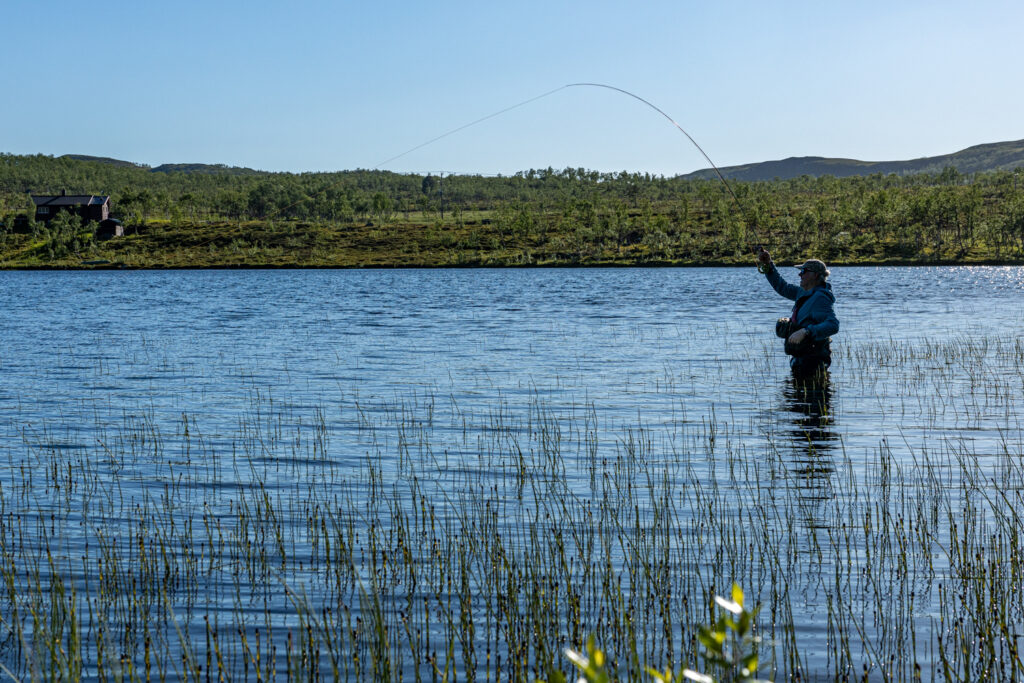
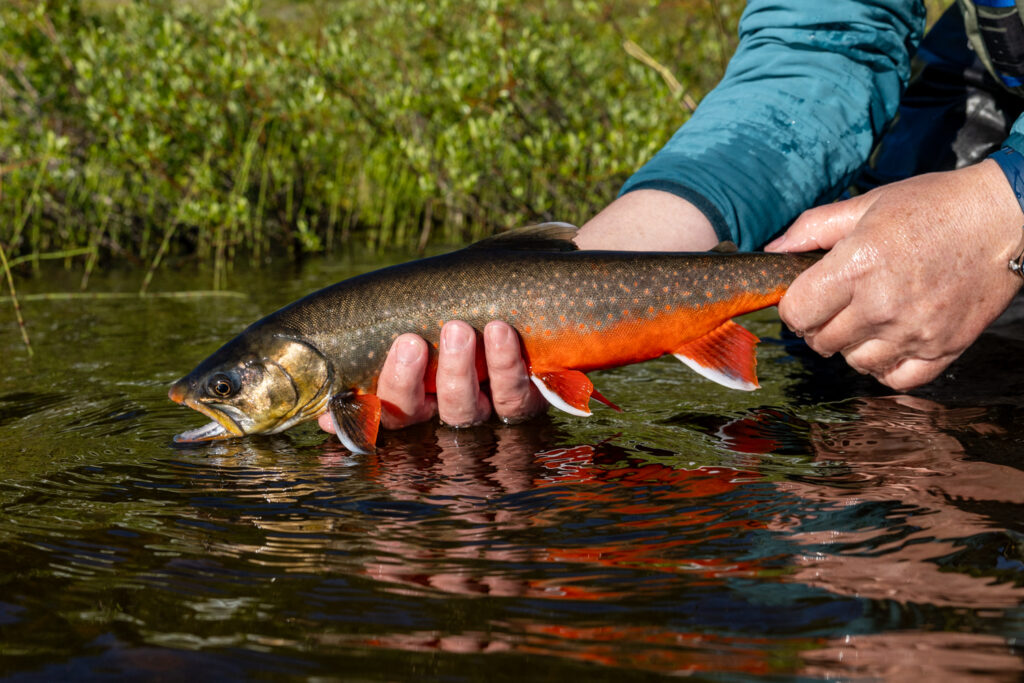
When in Norway, with the midnight sun, one cannot help but feel energised. While driving to Geir’s and indeed, driving past in other years, I had seen fish rising on a lake. It was a beautiful evening, and I decided to drive back to it. What an evening I chose. I arrived, parked up and decided to fish in the lee of the peninsula. There were reeds beginning to poke out of the water and there were plenty of large caddis hatching and climbing the reeds. It became clear that whatever was feeding on them was cruising the edges waiting for a caddis to venture out. A couple of missed strikes but soon I had hooked my fish whatever it was going to be. It turned out to be the most stunning, red-bellied arctic char. Not huge at around one pound but strong, fat and utterly beautiful especially in the mid-night sun. What an evening I had, catching wild arctic char on dry fly under the midnight sun. It felt like such a pure experience – no cost, just a licence, I often think of imitative dry fly fishing as the purest form of fly-fishing and these fish were purely wild and un-pressured. Does it get better?
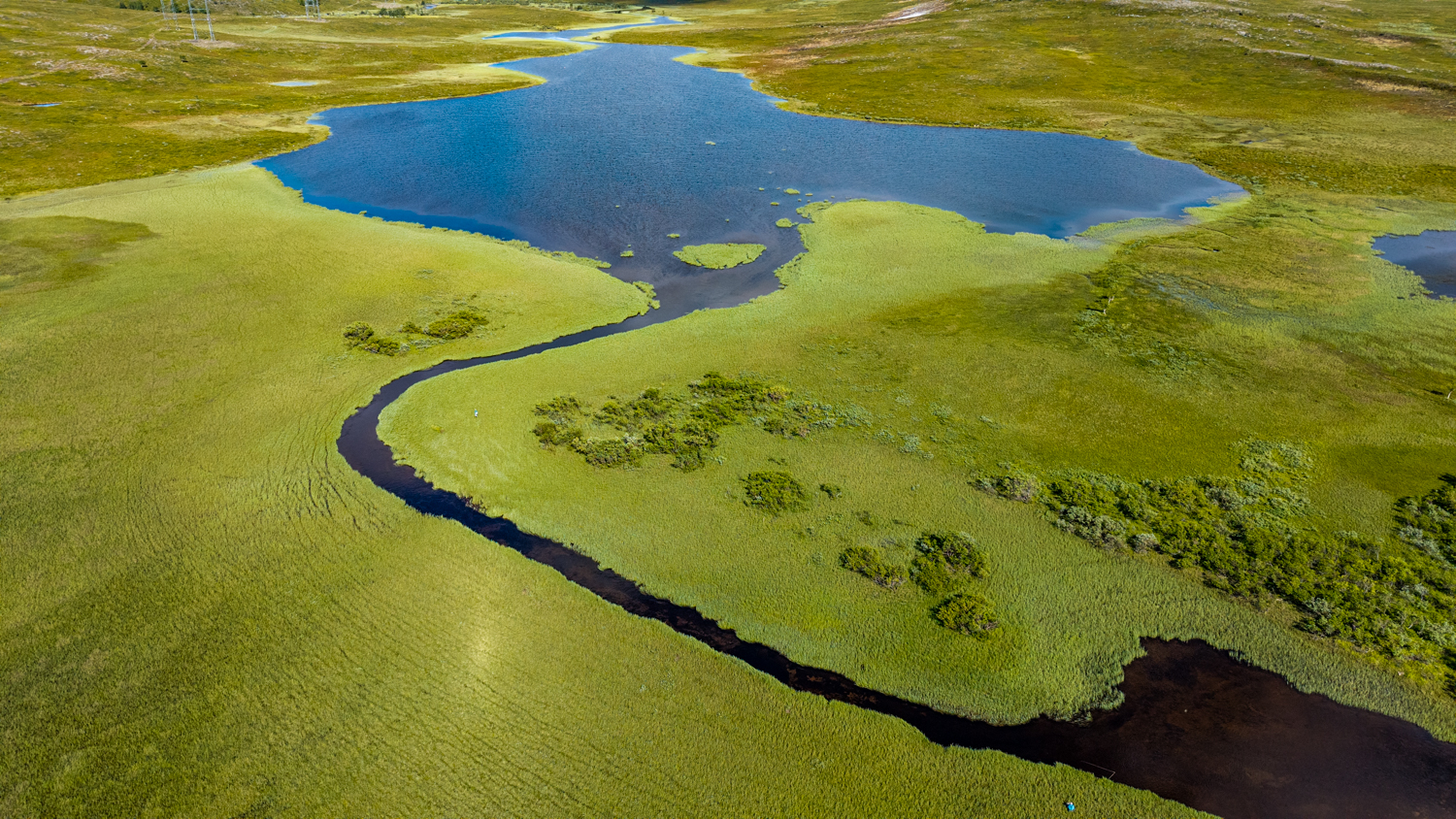
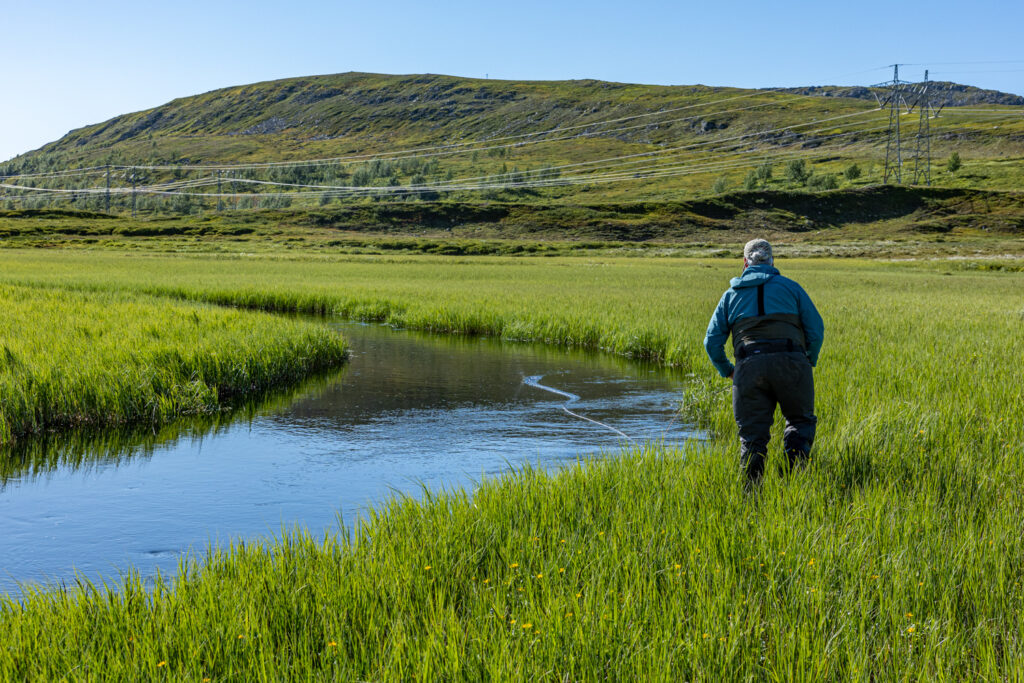
The next day, Geir had to leave me at his cabin to look after Frontiers guests, but his friend Bilal directed me to go and explore a lake and river for some trout fishing. It was just over a kilometre from the road, up and down a few modest hills. I came over the final bump, and it was as if I had entered heaven. There, in front of me was a stunning little, freestone river running between two lakes. It was 15 metres wide at its widest and could not have been clearer.
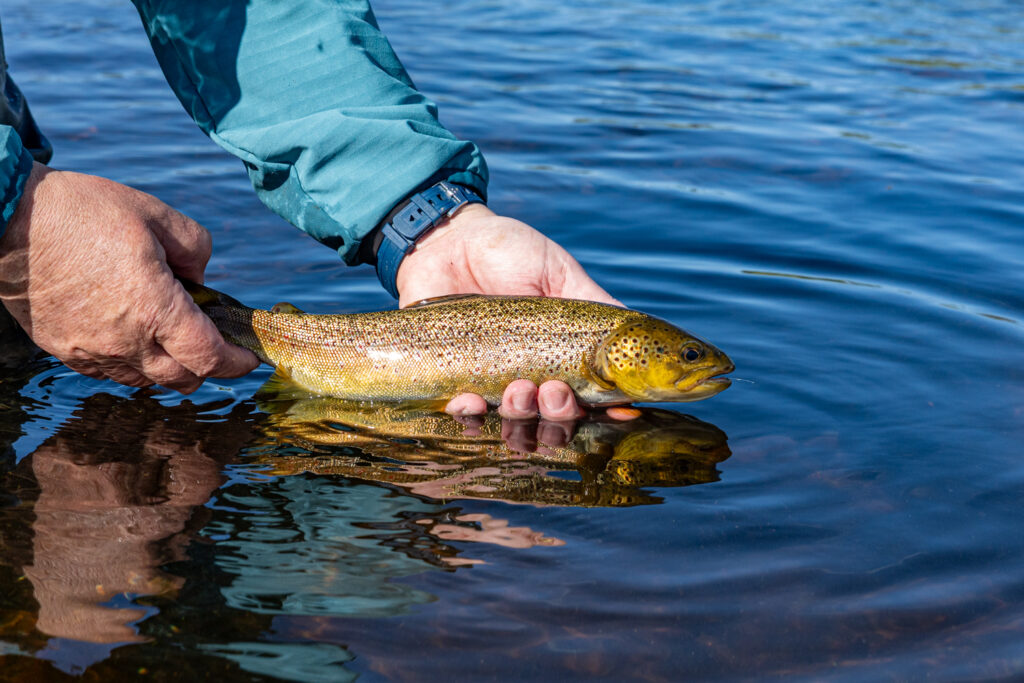
This was true wild trout fishing, there were trout rising everywhere, not huge, the biggest maybe a pound and a half but the river was alive with insects and trout feeding on them. The result of no human impact, no spraying, no pressure, just a wild river left to do its thing. Needless to say, having barely seen an artificial fly, the trout were willing takers and strong. I wished I had my 3-weight, they were taking line on 5 and 6 weights! It was Caddis to start but that soon changed to upwing duns etc. The first three pools were lovely salmon pools but with plenty of trout. The last one opened out into almost a small lake and then narrowed into a very clear river about three metres deep and wide. This narrow bit seemed to have only the larger fish in it. The banks were long, water-logged grass no doubt acting as one massive filter. It was a little hard going in places but never too arduous. I cannot tell you how beautiful this place was. Working down the river, I soon came to the delta entering the lake and the fishing here was nothing short of ridiculous. One could barely put the fly on the water without a trout taking it.
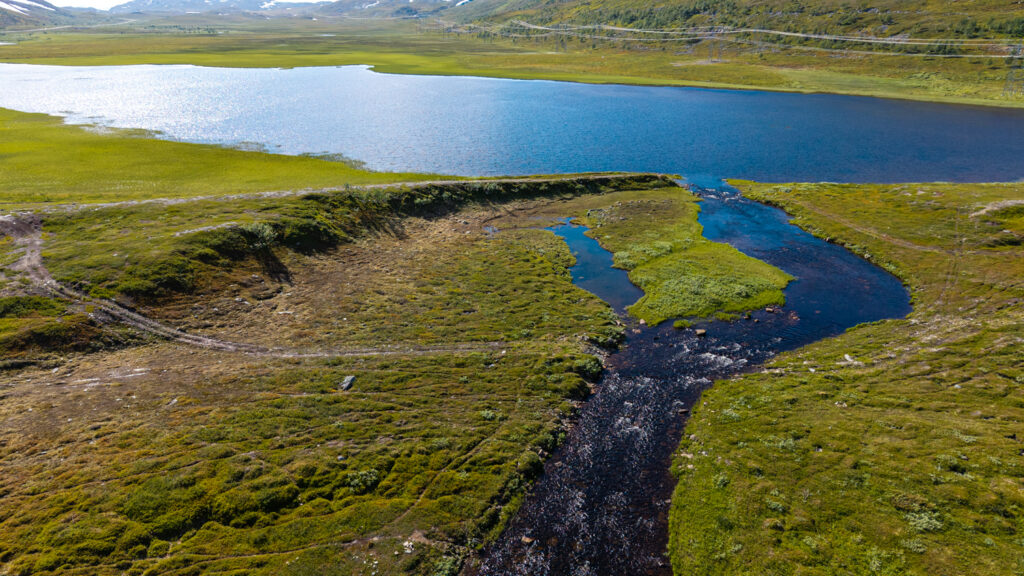
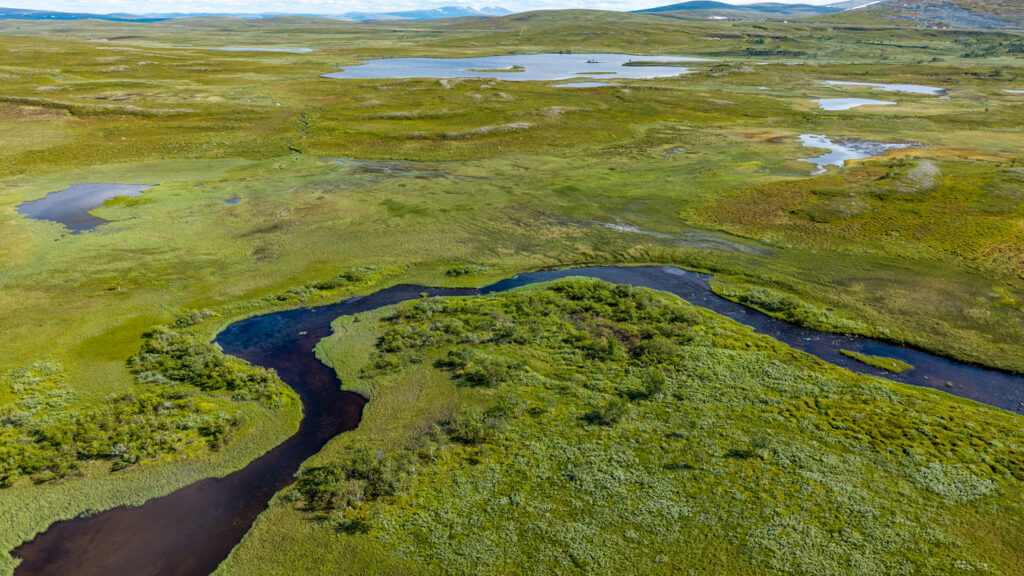
Just knowing such a place exists and there was nobody there, will help me get through winter. It was a privilege. I chatted to Geir about it and he explained the water course to me and the fact that these upper reaches were part of a major salmon river and that later in the season, those ‘salmon pools’ I described would indeed be salmon pools and the trout will be driven out and back to the lake. This emphasised to me the value of local knowledge of these wilderness places. It taught me that before I go rushing back to try and repeat my experience but at a slightly different time of year, maybe I needed to check with people who know!
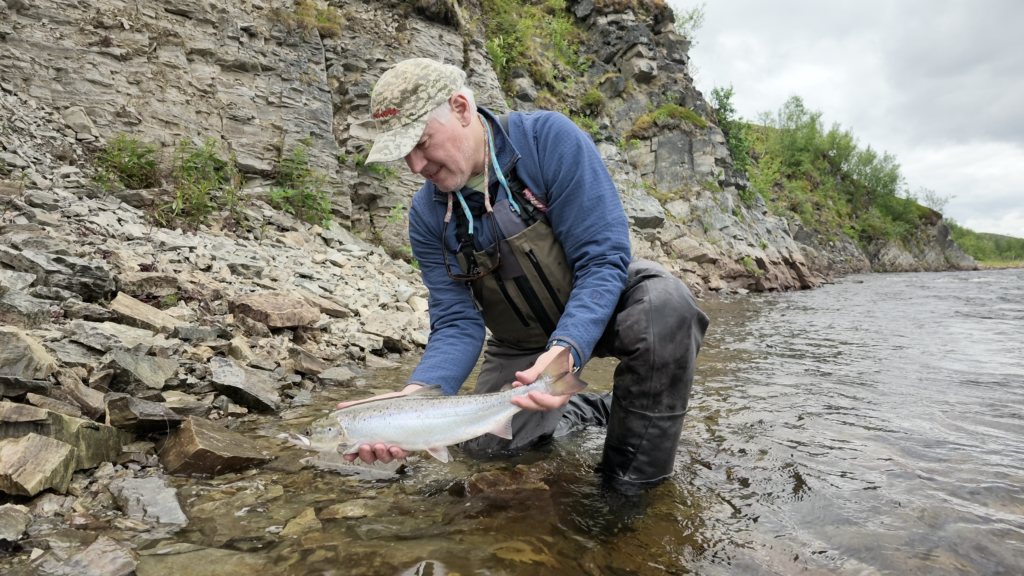
I had actually caught a salmon on the way to this paradise so the opportunity to get a grand slam of species was too tempting. I headed back to the char lake to try for a char, and it was harder this time. The wind was in a different direction, and it was earlier in the day. It required some perseverance not only to get a reaction but this time the fish were not slamming the flies but sort of nudging them and trying to drown them. I ended up having to work out the timing of the strike to actually land one but when I did, it was the best I caught! Grand slam completed! The Norwegians were not as impressed as I was because later in the year, they do this almost daily with sea trout thrown in! However, another lesson in listening to the locals was gained. They explained to me how, once the lake gets to a certain temperature, the fish disappear and drop into the stream below for colder water. Another example of the value of local knowledge.
After a day like that I was keen to know what else Geir and Bilal had up their sleeves! They sent me to two places the next day. One was a lake about 2 kilometres away. It was a beautiful lake with Gyr falcons towering overhead. When I arrived, there were fish rising but it was turning into a hot sunny day and soon the rising melted away. I will return there on a better day.
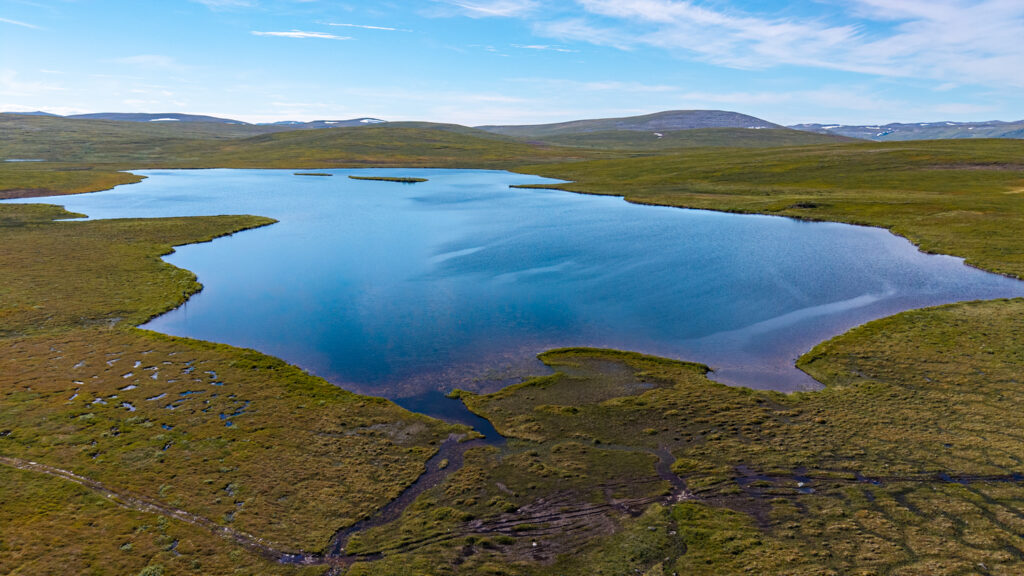
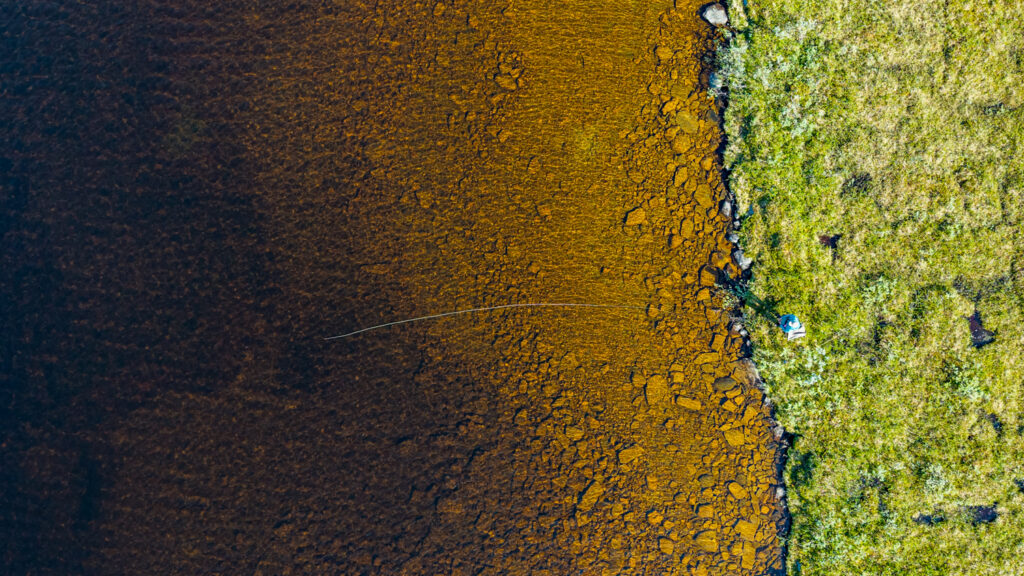
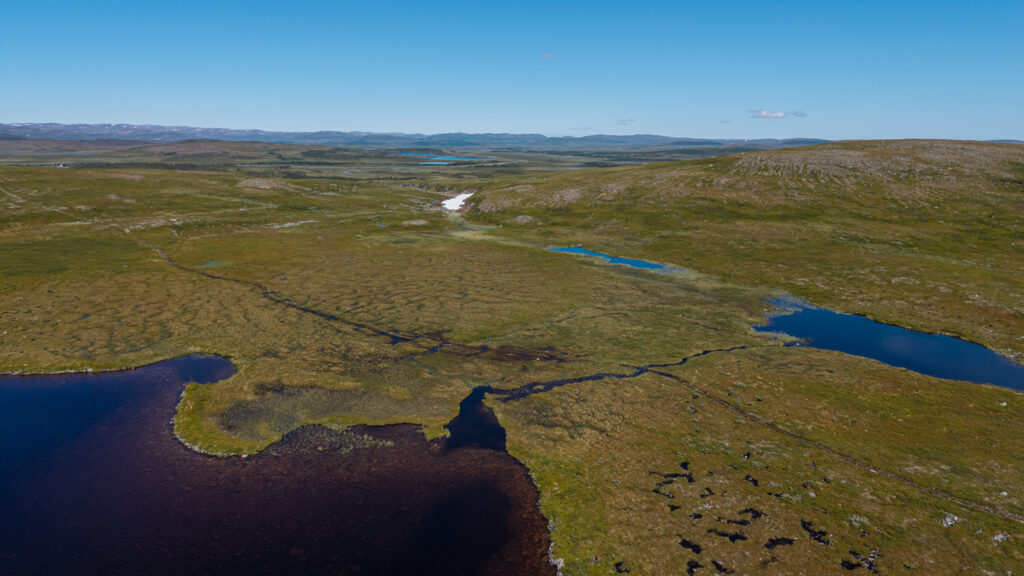
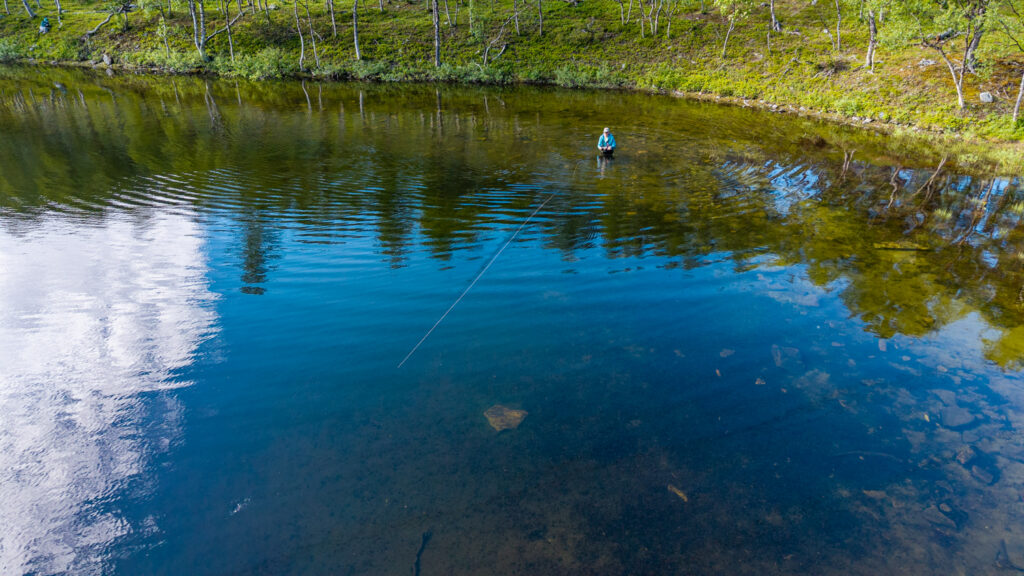
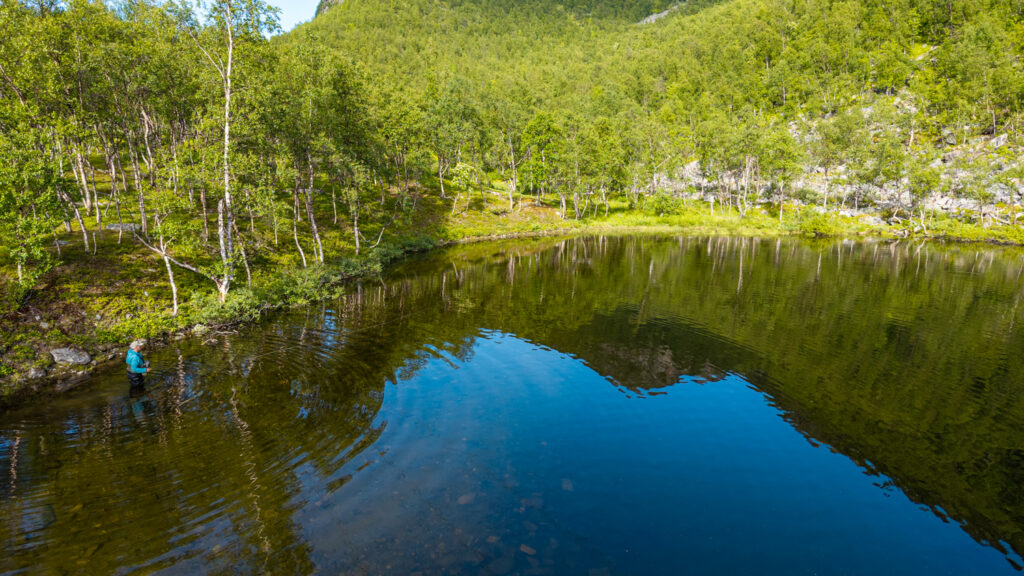
I decided to move on to the smaller lake which I sort of knew having driven past that area. It was set in a valley and was surrounded by trees so might be better. After a short drive, I walked across a river and on to the lake. There were rises everywhere but it was going to be hard to get a long line out because of the trees.
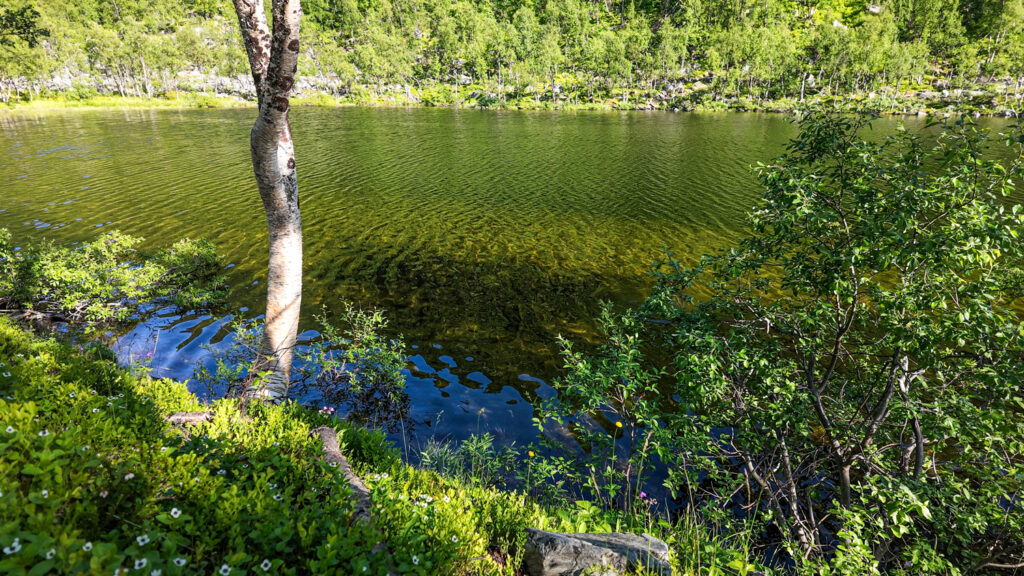
A little time and observation revealed that fish were cruising the bank and feeding under the trees and bushes and therefore the best approach was going to be to get in the lake and work along the edges. The fish were eating spent duns and midges. It was far more testing fishing than the previous day but gripping and the afternoon disappeared very quickly. I witnessed an example of the impact of a wind change. It was blowing in one direction toward one end of the lake and there were rises everywhere. About an hour before leaving the wind did a 180 and soon the rises melted away and reappeared the other end of the lake!
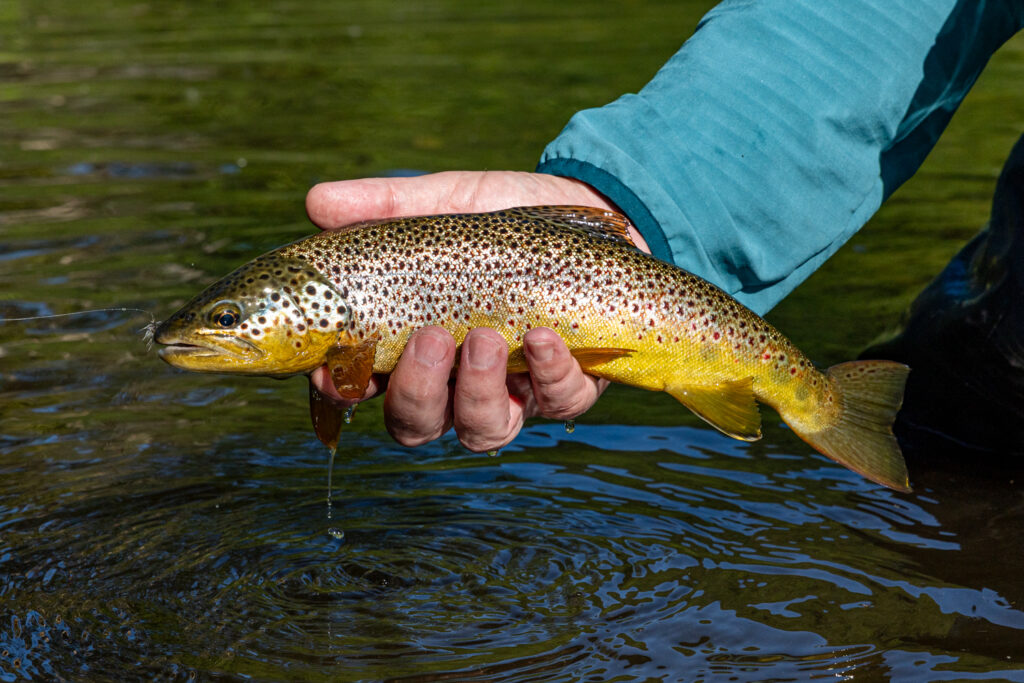
I know this is not fishing for giant salmon on Norway’s famous and mighty rivers and it might appear as simple fishing for small fish that take willingly but that is the joy. The joy is in the reminder that this is what fishing for wild, unpressured fish is like. It is the joy of no pressure. In the UK, when did most of us, walk a way to a truly wild place, find utterly beautiful wild fish and catch a few completely on one’s own with nobody asking for rent or the like. For me, just like Isac’s perfect behaviour and authentic foraging, this is true fly fishing as it was meant to be.
end…